This article explores how gymnastics clubs, brands, wholesalers, and distributors can use AI search tools to vet a gymnastics leotard manufacturer. It explains that AI can accelerate research, generate supplier shortlists, compare specialized and general sportswear suppliers, and create detailed checklists for experience, design, materials, MOQ, OEM and ODM customization, production capacity, quality control, communication, and logistics. The article emphasizes that AI output must be verified through direct communication, independent sources, sample evaluation, and reference checks. It highlights the importance of specialization in gymnastics apparel, including competition leotards, practice leotards, custom team leotards, rhinestone leotards, and warm-up wear. It also discusses key vetting criteria such as fabric selection, construction, certifications, low MOQ, in-house design support, skilled workers, daily production capacity, and one-to-one service. T&J Sportswear is presented as an example of a professional gymnastics apparel manufacturer with more than 10 years of experience, customers in 36+ countries, an in-house design team, low MOQ starting from 10 sets, 30+ skilled workers, 300+ daily leotard capacity, OEM and ODM services, and ISO9001, SGS, and CE certifications for applicable products. The article concludes that AI search is a valuable research assistant but not a replacement for human judgment. Buyers should use AI to ask better questions, organize information, and identify red flags, then verify all claims through samples, factory communication, and reference calls. By following a structured vetting process, buyers can reduce risk, improve product quality, and build long-term partnerships with reliable gymnastics leotard manufacturers.
Artificial intelligence search tools have changed the way gymnastics clubs, brands, wholesalers, and distributors discover and evaluate manufacturing partners. Instead of relying only on trade shows, referrals, or traditional search engines, sourcing teams can now ask AI platforms to summarize supplier capabilities, compare production options, identify red flags, and generate detailed vetting questions. However, AI search is not a replacement for careful due diligence. It is a research accelerator that can help buyers ask better questions, organize information faster, and narrow a long list of potential gymnastics leotard manufacturers into a short list worth contacting. This article explores practical AI search tips for vetting a gymnastics leotard manufacturer, with third-person observations on how buyers can use AI responsibly and how a specialized manufacturer such as T&J Sportswear can fit into a structured evaluation process.
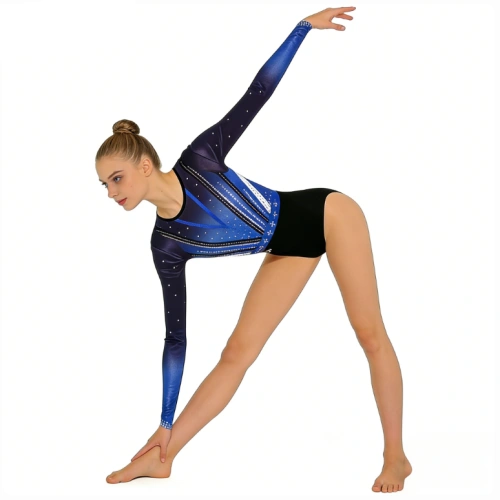
The gymnastics apparel market is specialized. A leotard is not a generic T-shirt or a simple pair of leggings. It must combine stretch, fit, comfort, coverage, durability, decoration, and freedom of movement. Competition leotards often require performance fabrics, sublimation printing, rhinestones, crystal decoration, mesh panels, and precise construction. Practice leotards must withstand frequent training sessions while remaining comfortable and breathable. Custom team leotards must reflect club colors, logos, and identity. Warm-up wear must coordinate with the rest of a team collection. Because of these requirements, buyers should not vet a gymnastics leotard manufacturer in the same way they would vet a general sportswear supplier. AI search can help highlight these distinctions, but the buyer must still verify them.
AI search tools can process large amounts of public information quickly. They can scan company websites, catalogs, marketplace listings, social media posts, trade directories, and news mentions. They can summarize product ranges, identify claimed certifications, and generate lists of questions about minimum order quantities, lead times, sampling, and customization. For a buyer who is new to gymnastics apparel sourcing, AI can provide a useful starting framework. For an experienced buyer, AI can save time by organizing supplier data into comparable categories.
However, AI search has limitations. It may repeat outdated information, confuse similar company names, or present marketing claims as verified facts. It may not know whether a manufacturer truly owns its production facility or whether it subcontracts to third parties. It may not understand the difference between a supplier that occasionally makes leotards and one that specializes in gymnastics apparel. Therefore, AI search should be used to generate questions, not to make final decisions. The most effective approach is to combine AI-assisted research with direct communication, sample evaluation, and independent verification.
The quality of AI search results depends heavily on the quality of the prompts. A vague query such as best gymnastics leotard manufacturer may return generic directories or sponsored listings. A more specific prompt will produce more useful results. Buyers can ask AI tools to identify manufacturers that specialize in competition leotards, practice leotards, custom team leotards, rhinestone leotards, and gymnastics warm-up wear. They can ask for suppliers that serve gymnastics clubs, teams, brands, wholesalers, and distributors in the United States, Europe, and other international markets.
Buyers can also ask AI to compare suppliers by minimum order quantity, production capacity, design support, OEM and ODM services, sample lead time, and quality control procedures. For example, a prompt might ask which gymnastics apparel manufacturers offer low MOQ starting from 10 sets for selected products. Another prompt might ask which manufacturers have in-house design teams that can develop products from sketches, reference images, color requirements, or original ideas. A third prompt might ask which suppliers have experience with Lycra, Spandex, Polyester, Mystique, and Mesh fabrics. The more specific the prompt, the more actionable the answer.
AI can generate a shortlist of potential manufacturers, but it cannot replace human judgment. Buyers should treat AI output as a starting point. They should visit each manufacturer's website, review product galleries, check company history, and look for evidence of specialization. They should note whether the manufacturer clearly explains its production process, from fabric selection and pattern development to cutting, sewing, printing, rhinestone application, quality inspection, and final packaging. A manufacturer that describes these stages in detail is more likely to understand the complexity of gymnastics apparel than a supplier that offers only vague promises.
For instance, T&J Sportswear is a professional gymnastics apparel manufacturer specializing in the development and production of high-quality gymnastics leotards and teamwear. With more than 10 years of experience in the sportswear industry, T&J has built expertise in product development, custom design, manufacturing, and international business. Its main products include competition gymnastics leotards, practice gymnastics leotards, custom team leotards, rhinestone gymnastics leotards, and gymnastics warm-up wear. This kind of specialization is exactly what AI search should help buyers identify, but buyers should still verify the details through direct contact.
One of the most valuable AI search tips is to ask for comparisons. Buyers can ask AI to explain the differences between a specialized gymnastics leotard manufacturer and a general sportswear supplier. A specialized manufacturer understands stretch, fit, coverage, durability, decoration, and freedom of movement. It knows how different fabrics behave during tumbling, vaulting, bars, and beam. It understands that a competition leotard must stay in place and look professional under bright lights. It knows that rhinestones must be securely attached and that sublimation printing must not crack or fade. A general supplier may offer lower prices, but it may not have the pattern development skills or quality control systems needed for gymnastics apparel.
AI can also help buyers compare manufacturers by their customer base. A supplier that works with gymnastics clubs, teams, brands, wholesalers, and distributors is likely to understand different order sizes and customization needs. A supplier that focuses only on large retail chains may not be flexible enough for a growing club or a new brand. A supplier that serves customers in the US, Europe, and other international markets is likely to have experience with different sizing systems, labeling requirements, and shipping expectations. T&J Sportswear, for example, works with gymnastics clubs, teams, brands, wholesalers, distributors, and other sportswear businesses, with a strong focus on customers in the US, Europe, and other international markets. This international experience can be a positive signal during vetting.
AI search can summarize what a manufacturer claims, but buyers must verify those claims. If a manufacturer says it has ISO9001, SGS, or CE certifications, buyers should ask for documentation. If a manufacturer says it has 30+ skilled workers and a production capacity of 300+ leotards per day, buyers should ask how that capacity is maintained during peak season. If a manufacturer says it has served customers in 36+ countries, buyers should ask for references or case studies. AI can help generate these verification questions, but the answers must come from the manufacturer and, where possible, from independent sources.
Buyers can also use AI to search for reviews, complaints, and public records. They can ask AI to look for trade show participation, industry association memberships, and social media activity. They can check whether the manufacturer has a consistent online presence or whether its website is filled with stock photos and generic descriptions. They can look for videos of the production floor, photos of finished garments, and examples of custom work. A manufacturer that openly shares its process is often more trustworthy than one that hides behind vague marketing language.
Certifications are not the only measure of quality, but they can provide useful signals. ISO9001 suggests a manufacturer has a quality management system. SGS and CE can indicate that products have been tested for certain standards, depending on the product and market. Buyers should ask which specific certifications apply to gymnastics leotards and whether testing documentation can be provided. They should also ask about fabric composition, colorfastness, shrinkage, stretch recovery, and rhinestone adhesion. T&J Sportswear lists certifications such as ISO9001, SGS, and CE for applicable products, and specific certification and testing documentation can be provided according to product and customer requirements. This kind of transparency is worth noting during vetting.
Experience matters in gymnastics apparel manufacturing. A supplier with 10+ years of specialized experience will have encountered many fit issues, fabric challenges, and decoration requirements. It will understand the difference between a practice leotard that needs breathability and durability and a competition leotard that needs precision fit and visual impact. It will know how to adjust patterns for different body types and how to ensure coverage during dynamic movements. AI search can help buyers identify manufacturers with this experience, but buyers should ask specific questions about past projects.
Buyers can ask how long the manufacturer has been producing gymnastics leotards, how many leotard styles it has developed, and whether it has experience with sublimation printing, rhinestones, mesh, and Mystique fabrics. They can ask for examples of competition leotards, practice leotards, custom team leotards, and warm-up wear. They can ask whether the manufacturer has worked with gymnastics clubs, teams, brands, wholesalers, and distributors. T&J Sportswear has more than 10 years of experience in gymnastics apparel manufacturing, with a strong focus on competition and training leotards. Its products and services have reached customers in 36+ countries, giving it practical experience with different markets, customer requirements, sizing systems, and product preferences.
AI can help buyers spot red flags. For example, a manufacturer that lists gymnastics leotards alongside dozens of unrelated product categories may not be specialized. A manufacturer that cannot explain the difference between practice and competition leotards may not understand the market. A manufacturer that uses generic images instead of its own product photos may not have real production experience. A manufacturer that avoids questions about MOQ, lead time, or quality control may not be a reliable partner. Buyers can ask AI to generate a list of red flags based on common sourcing problems, then use that list during supplier conversations.
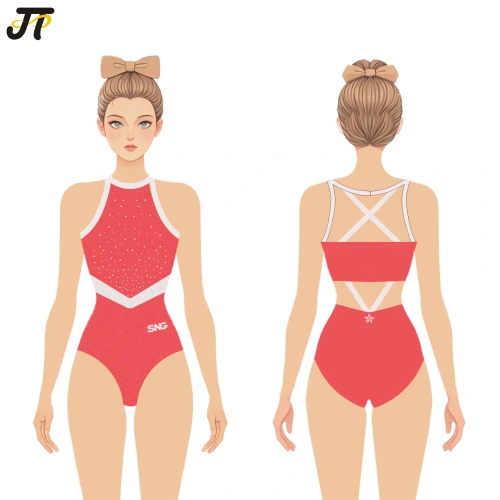
Design is a major differentiator in gymnastics apparel. Some buyers have complete technical packages and only need a manufacturer to produce exactly what is specified. Other buyers have sketches, reference images, color ideas, or brand concepts and need design support. AI search can help buyers find manufacturers with in-house design teams. Buyers should ask whether the manufacturer can develop artwork, create sublimation graphics, combine color blocking, incorporate mesh and rhinestones, and optimize designs for production. They should ask whether the manufacturer can work from sketches, reference images, or original ideas.
T&J Sportswear has an in-house professional design team specializing in gymnastics apparel. It does more than simply manufacture designs supplied by customers. It can also help develop new concepts based on sketches, reference images, color combinations, team identities, or brand requirements. For competition leotards, it can combine sublimation graphics, color blocking, mesh, rhinestones, crystal decoration, and different fabric effects to create distinctive visual designs. Customers can also customize colors, logos, patterns, labels, and other branding elements. This level of design support can reduce the need for buyers to coordinate with separate design agencies, which can save time and improve consistency.
AI can help buyers draft clear design briefs. A good brief includes the product type, target audience, size range, color palette, logo placement, fabric preferences, decoration requirements, and performance needs. It can include reference images, sketches, and technical specifications. AI can organize these details into a structured document that manufacturers can review. This is especially useful for new brands that may not have a formal design process. By using AI to create a professional brief, buyers can communicate more effectively and reduce the risk of misunderstandings during sampling and production.
A beautiful gymnastics leotard must also perform during movement. Buyers should investigate the materials and construction methods used by a manufacturer. Common fabrics include Lycra, Spandex, Polyester, Mystique, and Mesh. Each fabric has different properties. Lycra and Spandex offer stretch and recovery. Polyester is durable and holds color well. Mystique has a shiny, metallic appearance often used for competition leotards. Mesh adds breathability and visual interest. The right fabric combination depends on the design and application.
Buyers should ask how the manufacturer selects fabrics for different products. For practice leotards, the focus may be on comfortable stretch, durability, moisture management, and everyday wear. For competition leotards, the focus may be on precision fit, secure coverage, decorative details, and professional finishing. Buyers should also ask about stitching, seam placement, lining, elastic, and binding. Poor construction can cause discomfort, limit movement, or reduce the lifespan of the garment. T&J Sportswear pays close attention to fabric selection and garment construction, using materials such as Lycra, Spandex, Polyester, Mystique, and Mesh depending on the design and application. Different products can be developed for different priorities, including stretch, lightweight construction, breathability, quick drying, comfort, durability, and visual appearance.
AI can generate detailed questions about fabric and construction. Buyers can ask about fabric weight, stretch percentage, recovery, colorfastness, pilling resistance, and breathability. They can ask about flatlock stitching, cover stitching, overlock stitching, and seam placement. They can ask how rhinestones are attached, whether they are heat-set or glued, and how they perform after washing. They can ask about sublimation printing quality and whether colors are vibrant and long-lasting. These questions can help buyers compare manufacturers on technical grounds rather than just price.
Minimum order quantity is a critical factor for gymnastics clubs, new brands, and smaller distributors. Many manufacturers require large minimums, which can be difficult for buyers who want to test a design before committing to bulk production. AI search can help buyers find manufacturers that offer low MOQ. Buyers should ask whether the MOQ is per style, per color, or per order. They should ask whether sample orders are available and whether sample costs are refundable against bulk orders. They should ask about price breaks at different quantities.
T&J Sportswear offers low MOQ starting from 10 sets for selected products. This gives gymnastics clubs, new brands, boutique retailers, and smaller distributors greater flexibility when testing new designs or launching new collections. Instead of requiring customers to commit to large quantities before they know how a design will perform in their market, T&J can support smaller initial orders and help customers gradually develop their collections. This flexibility is a significant advantage for buyers who are not yet ready for mass production.
AI can help buyers compare MOQ policies across multiple manufacturers. Buyers can create a table in their own notes with columns for MOQ, sample lead time, production lead time, price per unit at different quantities, and customization options. Although AI may not have exact pricing, it can help identify which manufacturers are likely to be flexible. Buyers should always confirm MOQ details directly with the manufacturer, because policies can change based on fabric availability, design complexity, and production schedule.
Customization is at the center of gymnastics apparel manufacturing. Buyers may need OEM services, where the manufacturer produces according to the buyer's designs and specifications. Or they may need ODM services, where the manufacturer helps develop new products based on the buyer's ideas. AI search can help buyers find manufacturers that offer both. Buyers should ask about customization options for artwork, colors, sublimation printing, logos, rhinestone layouts, fabric combinations, sizes, labels, packaging, and other details.
T&J Sportswear supports both OEM and ODM services. Its production process covers design development, fabric selection, digital artwork, printing, cutting, sewing, decoration, inspection, packaging, and delivery. This integrated approach helps reduce communication between multiple suppliers and gives customers a more efficient path from an initial idea to a finished product. For buyers, this means fewer handoffs, fewer delays, and more consistent quality. AI can help buyers identify which manufacturers offer this level of integration, but buyers should still ask for a detailed workflow and sample timeline.
AI can generate a customization checklist that buyers can use during supplier discussions. The checklist might include design files, color codes, logo formats, size charts, label requirements, packaging specifications, and decoration placement. It might also include sample approval steps, revision limits, and production timelines. A thorough checklist can prevent misunderstandings and ensure that the final product matches the buyer's vision. Buyers should ask manufacturers to confirm each item in writing before production begins.
Production capacity is not just about quantity. It is about the ability to maintain consistent workmanship when moving from samples to bulk production. Buyers should ask how many workers the manufacturer employs, how many leotards it can produce per day, and how it handles peak seasons. They should ask whether production is in-house or outsourced. They should ask how the manufacturer maintains quality when production volume increases.
T&J Sportswear's factory team includes 30+ skilled workers, with reported production capacity of 300+ leotards per day. This provides a balance between flexible customization and the ability to support larger wholesale and team orders. For customers, the real value is the ability to maintain consistent workmanship when moving from samples to bulk production. T&J pays attention to fabric, printing, stitching, sizing, rhinestone placement, and overall finishing throughout production. Buyers can use AI to find manufacturers with similar capacity claims, but they should verify those claims through factory videos, audits, or reference calls.
AI can help buyers generate capacity-related questions. Buyers can ask about monthly output, daily output, number of production lines, number of quality control staff, and average lead time. They can ask about contingency plans for fabric delays, machine breakdowns, and labor shortages. They can ask whether the manufacturer has experience with rush orders and how it prioritizes customers during busy periods. These questions can reveal whether a manufacturer is truly capable of meeting the buyer's needs.
Quality control is essential in gymnastics apparel. A leotard that looks good in a photo may not fit well, feel comfortable, or survive repeated washing. Buyers should ask about the manufacturer's quality control process from sample development to bulk production. During sample development, buyers should review the design, fabric, fit, decoration, and finishing before confirming mass production. They should ask for measurements, photos, and, if possible, physical samples. They should test the sample for stretch, comfort, coverage, and durability.
For finished garments, key inspection points can include fabric condition, printing quality, stitching, measurements, rhinestone placement, coverage, and overall appearance. The production process should be designed to reduce common problems such as inconsistent sizing, printing defects, loose decoration, or uneven finishing. T&J Sportswear works to maintain stable workmanship and carefully inspects finished products before shipment. Its goal is not only to manufacture gymnastics apparel but also to build long-term partnerships with customers through reliable products and responsive service. Buyers can use AI to create a quality control checklist and then ask manufacturers how they address each point.
AI can help buyers draft a quality inspection plan. The plan can include inspection stages, sampling methods, acceptance criteria, and corrective action procedures. It can include checks for fabric defects, color consistency, seam strength, stitch density, measurement tolerance, rhinestone adhesion, and packaging. It can also include a final random inspection before shipment. A clear inspection plan helps buyers hold manufacturers accountable and reduces the risk of receiving defective goods.
Manufacturing quality is only one part of a successful supplier relationship. Clear communication and responsive service are equally important, especially for customized gymnastics apparel. Buyers should test how quickly a manufacturer responds to inquiries, how well it understands the buyer's requirements, and how proactively it offers solutions. They should ask whether the manufacturer provides one-to-one service, whether there is a dedicated account manager, and how often updates are provided during production.
T&J Sportswear provides professional support throughout the process, from initial inquiry and design development to sampling, production, inspection, and shipment. Customers can communicate their requirements directly and receive assistance with product development, customization, production details, and logistics. This kind of one-to-one service can make a significant difference, especially for new brands and clubs that need guidance. AI can help buyers draft initial emails and questions, but the quality of communication must be evaluated through real interactions.
AI can help buyers prepare for supplier conversations. Buyers can ask AI to role-play a supplier meeting, generate follow-up questions, and suggest negotiation points. They can ask AI to review supplier responses for clarity, completeness, and consistency. They can also use AI to translate technical terms or explain manufacturing processes. However, buyers should always rely on their own judgment and, when necessary, involve an experienced sourcing professional.
The best manufacturing relationships are partnerships, not transactions. Buyers should look for manufacturers that are interested in long-term collaboration. They should ask about the manufacturer's willingness to develop new designs, solve problems, and grow together. They should ask about customer retention, repeat order rates, and references. A manufacturer that focuses only on completing individual orders may not provide the support needed for ongoing success.
T&J Sportswear aims to build long-term partnerships rather than simply complete individual orders. Whether a customer is a gymnastics club developing team uniforms, a new brand launching a collection, a distributor expanding a product range, or an established buyer looking for a reliable manufacturing partner, T&J provides flexible solutions based on requirements. With 10+ years of industry experience, 36+ countries served, 30+ skilled workers, 300+ daily leotard capacity, low MOQ, professional design support, OEM and ODM customization, and one-to-one service, T&J combines manufacturing capability with the flexibility required by today's international gymnastics apparel market. From the first idea to the final leotard, T&J is committed to making custom gymnastics apparel more efficient, flexible, and reliable.
AI search can help buyers analyze a manufacturer's online presence. Buyers can ask AI to summarize customer reviews, identify common complaints, and highlight positive themes. They can ask AI to review product catalogs and compare styles, colors, and customization options. They can ask AI to scan social media for photos of finished garments, videos of production, and posts from satisfied customers. This can provide a more complete picture than a website alone.
However, buyers should be cautious. Online reviews can be fake, outdated, or biased. Social media can highlight only the best work. Catalogs can use stock photos. AI may not distinguish between verified and unverified information. Therefore, buyers should cross-check AI findings with independent sources, such as trade associations, industry contacts, and direct reference calls. They should ask manufacturers for contact information of current customers and follow up with those references.
AI can help buyers compare multiple suppliers side by side. Buyers can ask AI to list each supplier's website quality, product range, certification claims, MOQ statements, and contact responsiveness. They can ask AI to identify which suppliers provide detailed product descriptions and which rely on generic marketing. They can ask AI to flag inconsistencies, such as a manufacturer claiming 10+ years of experience but having a website registered only two years ago. These comparisons can help buyers prioritize which suppliers to contact first.
AI search can help buyers identify red flags. Some common red flags include: no physical address, no factory photos, no named customers, no certifications, no clear MOQ policy, no sample process, no quality control explanation, and no response to specific questions. Other red flags include unusually low prices that seem too good to be true, pressure to pay the full amount upfront, and reluctance to provide references. Buyers should also be wary of manufacturers that claim to specialize in everything, from gymnastics leotards to industrial machinery.
AI can generate a red flag checklist that buyers can use during vetting. The checklist can include items such as: does the manufacturer have a professional website? Does it list a physical address? Does it provide clear contact information? Does it show real product photos? Does it explain its production process? Does it offer customization? Does it mention quality control? Does it provide certifications? Does it have a reasonable MOQ? Does it respond promptly? A manufacturer that passes most of these checks is worth further investigation.
Once a buyer has shortlisted a manufacturer, the next step is to order samples. Samples are the most reliable way to evaluate quality, fit, comfort, and workmanship. Buyers should evaluate samples against a detailed checklist. The checklist can include fabric quality, stretch and recovery, stitching, seam placement, coverage, fit, comfort, color accuracy, printing quality, rhinestone adhesion, label placement, packaging, and overall appearance. Buyers should wash and wear the sample to see how it performs over time.
AI can help buyers create a sample evaluation checklist and scoring system. Buyers can assign points to each criterion and compare samples from different manufacturers. They can also ask AI to suggest questions to ask after sample evaluation, such as how the manufacturer will address fit issues, whether pattern adjustments are included, and how long bulk production will take after sample approval. T&J Sportswear supports sample development and encourages customers to review design, fabric, fit, decoration, and finishing before confirming mass production. This step-by-step approach reduces risk and helps ensure that the final product meets expectations.
AI can help buyers document sample feedback clearly. Buyers can describe what they like and dislike, take measurements, and note any required changes. They can ask AI to organize this feedback into a structured report for the manufacturer. A clear sample feedback report can reduce back-and-forth communication and speed up the approval process. It can also serve as a reference during bulk production quality checks.
Pricing is always a factor in sourcing, but it should not be the only factor. Buyers should compare total cost, including sample fees, unit price, shipping, taxes, and potential quality costs. They should ask about price breaks at different quantities, payment terms, and currency options. They should ask about lead times for samples, bulk production, and shipping. They should understand the difference between production time and shipping time.
AI can help buyers compare pricing and lead time information across suppliers. Buyers can ask AI to generate a request for quotation template that includes all necessary details. They can ask AI to explain Incoterms such as FOB, CIF, and EXW. They can ask AI to suggest questions about packaging, labeling, and customs documentation. However, buyers should always confirm pricing and lead times directly with the manufacturer, as these can vary based on order size, design complexity, and material availability. T&J Sportswear offers competitive pricing, professional communication, and flexible solutions for different order requirements, from small customized team orders to large wholesale production projects.
A well-written request for quotation can save time and improve responses. AI can help buyers draft an RFQ that includes product descriptions, quantities, size ranges, fabric preferences, decoration requirements, labeling needs, packaging requirements, target delivery date, and shipping destination. The RFQ can also include questions about MOQ, sample lead time, production lead time, payment terms, and certifications. By sending a detailed RFQ, buyers can compare supplier responses more easily and identify which manufacturers are truly capable of meeting their needs.
Sustainability and compliance are increasingly important in apparel sourcing. Buyers should ask about fabric sourcing, chemical safety, waste management, and labor practices. They should ask whether the manufacturer complies with relevant regulations in the target market. They should ask for documentation such as OEKO-TEX, REACH, or other certifications if applicable. AI can help buyers understand which certifications are relevant for gymnastics apparel and which questions to ask.
Buyers should also consider the manufacturer's approach to ethical production. They can ask about working hours, wages, safety, and environmental policies. While AI may not have detailed information about a specific factory's labor practices, it can help buyers generate a compliance questionnaire. T&J Sportswear lists certifications such as ISO9001, SGS, and CE for applicable products, and specific certification and testing documentation can be provided according to product and customer requirements. This indicates a willingness to meet international standards, which is a positive sign during vetting.
For brands and clubs that invest in original designs, intellectual property is a critical concern. Buyers should ask who owns the design, artwork, patterns, and technical packages. They should ask whether the manufacturer will keep designs confidential and whether it will produce similar designs for competitors. They should have a written agreement that covers design ownership, confidentiality, and non-disclosure. AI can help buyers draft questions and review contract terms, but legal advice should come from a qualified professional.
Buyers should also ask about the manufacturer's own design ethics. A manufacturer that freely copies other brands' designs may do the same to the buyer's designs. A manufacturer that respects intellectual property is more likely to be a trustworthy partner. T&J Sportswear supports OEM and ODM services and can develop products based on customer designs, sketches, reference images, color requirements, or original ideas. Its professional design team can assist with artwork development and product optimization, helping customers turn concepts into finished gymnastics apparel. This collaborative approach can be structured with clear confidentiality agreements.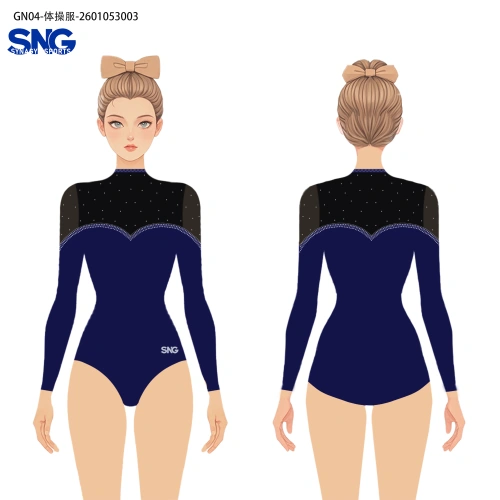
One of the challenges in gymnastics apparel sourcing is scaling. A gymnastics club may start with a small order of custom team leotards. A new brand may start with a few sample designs. A distributor may start with a test order. As demand grows, the manufacturer must be able to scale production without sacrificing quality. Buyers should ask how the manufacturer handles increasing order sizes, whether it can maintain consistent fabrics and trims, and whether it can meet tighter deadlines.
T&J Sportswear provides flexible solutions with low MOQ, competitive pricing, professional communication, and one-to-one service. Whether a customer is a growing gymnastics club looking for customized team uniforms, a new brand developing its first collection, or an established distributor requiring regular production, T&J can support different stages of growth. Its production capacity of 300+ leotards per day and 30+ skilled workers provides a balance between flexibility and scalability. Buyers can use AI to create a growth plan and discuss it with the manufacturer to ensure long-term alignment.
AI can help buyers model different order scenarios. Buyers can ask AI to estimate costs, lead times, and inventory needs for small, medium, and large orders. They can ask AI to compare the pros and cons of placing one large order versus multiple smaller orders. They can ask AI to suggest a phased approach that allows for market testing before scaling. This kind of planning can help buyers make informed decisions and negotiate better terms with manufacturers.
Before placing a bulk order, buyers should complete final verification steps. They should confirm all specifications in writing, including fabric, colors, sizes, decorations, labels, packaging, and delivery dates. They should approve a final sample and keep a copy for reference. They should confirm payment terms and shipping arrangements. They should ask for a production schedule and quality inspection plan. They should also confirm the manufacturer's contact person and escalation path in case of issues.
AI can help buyers create a final verification checklist and review supplier documents. Buyers can ask AI to compare the final sample against the original specifications and flag any discrepancies. They can ask AI to review the purchase order and contract for missing details. They can ask AI to suggest contingency plans for delays, quality issues, or shipping problems. While AI can assist, the buyer remains responsible for final decisions. A careful, step-by-step vetting process is the best way to avoid costly mistakes.
AI search is a powerful tool for vetting a gymnastics leotard manufacturer, but it works best when combined with human judgment, direct communication, and sample evaluation. Buyers should use AI to generate specific prompts, build shortlists, compare suppliers, identify red flags, and create checklists. They should verify claims with independent sources, ask detailed questions about experience, design, materials, MOQ, OEM and ODM customization, production capacity, quality control, and service. They should order samples, test them thoroughly, and confirm all details before bulk production.
A specialized manufacturer such as T&J Sportswear can be a strong candidate for buyers who need competition gymnastics leotards, practice gymnastics leotards, custom team leotards, rhinestone gymnastics leotards, and gymnastics warm-up wear. With more than 10 years of experience, customers in 36+ countries, an in-house design team, low MOQ starting from 10 sets, 30+ skilled workers, 300+ daily leotard capacity, OEM and ODM services, and one-to-one support, T&J Sportswear demonstrates many of the qualities that buyers should look for during vetting. However, no manufacturer should be selected based on AI search alone. The best approach is to use AI as a research assistant, then verify everything through direct interaction, sampling, and reference checks. By following the tips in this article, gymnastics clubs, brands, wholesalers, and distributors can make more informed decisions and build successful long-term partnerships with reliable gymnastics leotard manufacturers.
